

TL;DR About Developing a Verbling Clone
- A Verbling-like platform combines tutor discovery, live 1-to-1 lessons, scheduling, payments, messaging, and learning tools into one language tutoring marketplace.
- Define your target market and revenue model based on learner demand, tutor supply, and MVP requirements.
- Core features include tutor profiles, matching, booking, live classes, payments, reviews, and admin tools, with AI learning features added as the platform scales.
- The cost to build a website like Verbling can range from $25,000 – $250,000+, depending on features, video, AI, integrations, and customization.
- Build your Verbling-like platform with Xpertz.io, an e-learning app development company offering both clone software and custom development with complete source-code ownership.
The online language-learning market is shifting toward more flexible, instructor-led formats. Tutor-led live instruction is projected to grow at a 21.25% CAGR through 2031, while corporate language learning is expected to expand at 23.70% CAGR.
Verbling built around this demand by connecting learners with professional language tutors for live 1-to-1 lessons. When Busuu acquired the platform in 2020, Verbling had more than 10,000 professional tutors and over 1M users across web and mobile.
Its earlier Y Combinator backing and later acquisition by Busuu also show how a focused tutoring marketplace can develop into a larger language-learning business.
This guide explains how to build a language learning website like Verbling, covering its business model, essential features, technology choices, development process, and the cost to build it.
Key Benefits of Building a Website Like Verbling
A Verbling-style platform brings tutor discovery, live lessons, scheduling, payments, and learning tools into one service. Verbling currently offers 70+ languages & 10,000+ qualified tutors, alongside a separate business offering for organizations.

1. Monetize Every Tutor-Led Transaction
Verbling lets tutors set their own rates while the platform takes a 15% commission from teacher earnings. Its 5, 10, and 20-lesson packages also use volume discounts, giving entrepreneurs room to earn from both individual bookings and larger prepaid purchases.
The key opportunity is designing the commission and package structure around your target market rather than relying on a single subscription fee.
2. Turn Tutor Supply Into a Marketable Asset
A growing tutor base becomes commercially useful when each instructor brings a distinct combination of language, specialization, experience, pricing, availability, and learner reviews.
Entrepreneurs can use these differences to create focused categories such as business English, exam preparation, children’s language lessons, or conversation practice instead of competing as a generic tutoring site.
3. Open a Separate B2B Revenue Channel
Corporate accounts can significantly change the commercial model of a language learning website like Verbling. Verbling’s enterprise offering includes member management, payments, SSO, SCIM provisioning, reporting, and progress tracking.
These capabilities allow a platform to sell language training at the organization level rather than depending entirely on individual learners.
4. Increase Revenue Per Learner
The first lesson does not have to be the end of the transaction. Trial lessons can reduce the entry barrier, while multi-lesson packages give learners a reason to commit to more sessions.
A platform can build its pricing around this progression, moving users from an initial trial to prepaid lesson bundles or longer-term learning plans.
5. Create Product Differentiation Beyond Video Calling
A video classroom alone is easy to replicate. The stronger opportunity is connecting the live lesson with resources that improve what happens before and after class.
Verbling supports learning materials alongside live instruction, while a new platform could add vocabulary practice, lesson notes, assignments, progress records, or AI-assisted practice to create a more complete product experience.
6. Serve Multiple Language Markets Without Rebuilding the Product
Once the core marketplace is established, adding new languages can expand the addressable audience without requiring a separate product for every language.
Entrepreneurs can prioritize languages based on tutor availability, learner demand, pricing potential, and competition, then build dedicated categories and acquisition campaigns around each segment.
How to Build a Website Like Verbling?
To build a language learning website like Verbling, think through the entire lesson journey like how learners find tutors, compare options, book sessions, pay, attend classes, and decide to return. The following 8 steps cover the business and product decisions behind that journey.
1. Define Your Target Language Learning Market
Start by defining who you will serve, which languages you will offer, and what learning needs you will address. Verbling focuses on live one-to-one tutoring, helping learners find teachers based on language, skills, availability, and teaching preferences. It also offers language training for businesses.
When you build a website like Verbling, choose a clear niche such as business language training, conversational practice, exam preparation, children’s education, or immigration-focused learning. You can also target specific learner groups, including professionals, students, travelers, or corporate teams.
Your niche should shape tutor profiles, lesson formats, pricing, and core features. A focused segment also makes tutor acquisition, marketing, and product development more targeted.
2. Validate Learner Demand and Recruit Qualified Tutors
Once the niche is defined, validate learner demand and tutor availability before development. Use search trends, competitor research, learner communities, surveys, waitlists, and small paid campaigns to identify demand for specific languages, proficiency levels, lesson timings, pricing, and learning goals.
Use these findings to determine which tutor categories you need at launch. Verbling allows tutors to set their own rates & availability, while learner ratings and reviews support tutor discovery.
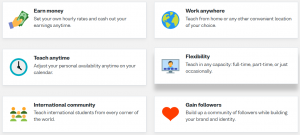
When you create a language learning website like Verbling, set clear tutor eligibility criteria covering language proficiency, teaching experience, certifications where relevant, and identity verification. A structured application, profile review, and onboarding process can help maintain teaching quality as the tutor base grows.
3. Choose Your Business and Monetization Model
A language learning website like Verbling needs a revenue model that works for both learners and tutors. Verbling follows a marketplace approach where tutors set their own hourly rates, while the platform earns through commissions on completed lessons. Tutors can also offer multi-lesson packages at discounted rates.
Choose the monetization model based on your target audience and lesson format. Common options include:
- Commission Per Lesson – Take a percentage from each tutor transaction.
- Tutor Subscriptions – Charge tutors for marketplace access or premium tools.
- Learner Subscriptions – Offer monthly plans with lesson credits or learning resources.
- Lesson Packages – Sell multiple sessions at a discounted price.
- Corporate Plans – Provide organizations with managed accounts, billing, reporting, and training programs.
You can combine multiple models based on your audience. Define who pays, how tutors are paid, when the platform earns revenue, and what each plan includes. These decisions will also influence payments, bookings, cancellations, commissions, and the cost to build a website like Verbling.
4. Plan the Core Features and MVP Scope
When you build a website like Verbling, define the MVP around the complete learner-tutor journey, from discovering a tutor to booking, attending, and reviewing a lesson.
Include the following core features:
Features | What To Include |
Learner Account | Profile, language preferences, proficiency level, learning goals, lesson history, saved tutors. |
Tutor Profile | Languages, specialties, experience, introduction video, hourly rates, availability, ratings, reviews. |
Tutor Search & Matching | Language, price, availability, skills, ratings, teaching style, and AI-based tutor recommendations. |
Booking & Scheduling | Availability calendar, trial lessons, booking, rescheduling, cancellations, confirmations, and reminders. |
Live Virtual Classroom | HD video/audio, chat, screen sharing, lesson materials, file sharing, collaborative text tools, and interactive learning tools. |
AI Learning Tools | AI conversation practice, pronunciation feedback, grammar correction, vocabulary assistance, lesson recommendations, and personalized practice. |
Payments & Payouts | Secure checkout, tutor payouts, commissions, refunds, invoices, transaction history, and lesson packages. |
Reviews & Ratings | Post-lesson ratings, written reviews, tutor feedback, and learner feedback. |
Messaging & Notifications | Learner-tutor messaging plus email, in-platform, and push notifications for bookings, payments, lessons, & updates. |
Admin Dashboard | User & tutor management, tutor verification, bookings, payments, commissions, disputes, reviews, reports, and platform activity. |
Security & Access Control | Account protection, role-based access, payment security, data privacy, and moderation controls. |
Prioritize the features required to make the video language tutoring platform functional at launch. Advanced AI tools, detailed analytics, group classes, and corporate features can be expanded as the platform grows.
5. Choose Your Development Approach
When you build a website like Verbling, choose between a clone-based solution and custom development based on your launch timeline, budget, and feature requirements.
- Verbling Clone Script – A ready-made codebase can help launch core features such as tutor profiles, scheduling, live classes, payments, reviews, & admin management with less development time.
- Custom Development – A custom platform is suitable when you need unique tutoring workflows, AI-powered learning features, advanced matching, specialized classroom tools, or other functionality that requires greater flexibility.
Your choice of development approach should also factor in the expertise of the education software development company you work with, particularly if the platform requires custom features, integrations, or ongoing product support.
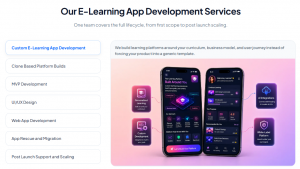
Xpertz.io is among the leading e-learning app development companies, offering both clone softwares and custom e-learning development for Verbling clone with complete source code ownership. The right approach depends on your MVP requirements, integrations, customization needs, and long-term product plans
6. Create the UI/UX Design for Your Verbling Clone
For a Verbling-like language learning website, design the user journey around tutor discovery, profile evaluation, booking, payment, and joining lessons. Keep the experience clear across the three main interfaces:
- Learner Interface – Focus on tutor discovery, profiles, scheduling, messages, upcoming lessons, and learning history.
- Tutor Interface – Include profile management, availability, bookings, learner communication, lesson materials, earnings, and reviews.
- Admin Interface – Provide controls for tutor verification, user management, bookings, payments, commissions, disputes, reviews, and reports.
Give the tutor profile particular attention, as it plays an important role in the booking decision. Present the tutor’s introduction video, languages, teaching experience, specialties, ratings, pricing, availability, and lesson options in an easy-to-scan layout.
For the live classroom, keep the teaching area prominent while making supporting tools easy to access. Verbling’s classroom includes video & audio communication, messaging, flashcards, collaborative textpads, and file tools.
Use responsive layouts across desktop, tablet, and mobile. Test the key journeys with learners and tutors before launch, particularly tutor discovery, booking, payment, and joining a lesson.
7. Integrate Video Lessons, Scheduling, Payments, & Notifications
For a video language tutoring platform, video lessons, scheduling, payments, and notifications need to work as one connected workflow. Each integration should support a specific part of the lesson journey, from booking a time slot to completing the session.
- Video Lessons – Integrate audio/video controls, screen sharing, chat, and lesson-material support. Verbling’s virtual classroom also includes messaging, flashcards, collaborative textpads, and file management
- Scheduling – Allow tutors to manage availability while learners can view open slots, book, reschedule, and cancel lessons.
- Payments – Support learner payments, tutor payouts, commissions, refunds, and transaction records.
- Notifications – Send email, in-platform, or push notifications for bookings, cancellations, upcoming lessons, payments, messages, and schedule changes.
Connect these functions through a shared booking workflow so a confirmed lesson updates the tutor’s calendar, processes payment, creates the classroom session, and triggers relevant notifications. This helps prevent double bookings, outdated information, and unnecessary manual coordination.
When you build a website like Verbling, test these integrations together to ensure the complete lesson workflow works reliably.
8. Test, Launch, & Improve Your Language Learning Platform like Verbling
Before launching a language learning platform like Verbling, test the complete learner, tutor, and admin journey, including registration, tutor discovery, booking, payments, notifications, and live classes. Check functionality, video quality, security, usability, & performance across supported devices and browsers.
Start with a controlled user group and track key metrics such as tutor activation, lesson bookings, cancellations, repeat lessons, and learner and tutor retention.
Use these insights to fix usability issues and improve the product after launch. Once the core platform is stable, you can expand with features such as AI-assisted learning, group classes, analytics, or corporate training based on actual user needs.
How Much Does It Cost to Build a Website Like Verbling?
The cost to build a website like Verbling depends on the development approach, live video capabilities, AI features, payment workflows, tutor management, and level of customization.
Development Scope | Estimated Cost |
Basic Verbling-Like MVP | $25,000 – $50,000 |
Mid-Level Platform | $55,000 – $90,000 |
Advanced Custom Site | $100,000 – $200,000+ |
Enterprise-Level Platform | $250,000+ |
Furthermore, budget approximately $2,000 – $5,000 per month for hosting, routine maintenance, security updates, and technical support. A high-traffic platform with extensive video usage, AI services, and frequent feature upgrades may cost $5,000 – $10,000 monthly.
These are estimated operating budgets, not fixed market rates. The final budget will depend on lesson volume, third-party service pricing, and the level of technical support required. Payment processing fees and tutor payouts should be accounted for separately.
Key Business Challenges When Building a Language Learning Website
A language learning website like Verbling has to solve several business problems beyond product development. Tutor supply, marketplace economics, learner retention, and positioning can determine whether the platform gains traction and remains commercially viable.
1. Finding the Right Market Position
Competing as a general language-learning platform can make customer acquisition expensive. Define a clear market position around a specific learner segment, language category, learning outcome, or lesson format.
This gives your platform a stronger reason for learners and tutors to choose it over established alternatives
2. Creating Enough Marketplace Liquidity
A tutor marketplace needs sufficient activity on both sides. If learners cannot find suitable tutors at convenient times, they may leave before booking.
If tutors receive too few bookings, they may stop using the platform. Monitor tutor availability, search-to-booking rates, unfilled slots, and repeat bookings to identify gaps.
3. Keeping the Business Financially Sustainable
Tutor payouts, payment processing, customer acquisition, refunds, support, and technology costs all reduce the revenue generated from each lesson.
Set the commission or pricing structure only after calculating the contribution margin per booking and the acquisition cost required to generate it.
4. Converting Learners Into Long-Term Customers
Language learning usually requires multiple sessions, making retention more important than a single transaction.
Build around repeat behavior through lesson packages, recurring bookings, learning progress, tutor continuity, and personalized recommendations.
Final Thoughts
Building a language learning platform like Verbling is about creating a marketplace where learners can find the right tutor and keep coming back for lessons. The right mix of tutor quality, smooth booking, reliable live classes, pricing, and learning features can shape long-term growth. Xpertz.io helps businesses build Verbling-like language learning platforms with tutor profiles, smart matching, lesson booking, live video classrooms, payments, reviews, notifications, and AI learning tools through clone software or custom development.
FAQs Related to Build a Website like Verbling
1. Can AI replace tutors on a Verbling-like platform?
AI can extend learning beyond live lessons through conversation practice, feedback, vocabulary exercises, and personalized activities. A tutor-led model can still retain human instruction for context, guidance, and interaction.
2. What metrics should a language tutoring marketplace track?
Monitor tutor activation, profile views, search-to-booking conversion, lesson completion, cancellations, repeat bookings, learner retention, tutor utilization, average booking value, and marketplace revenue to identify growth constraints.
3. How can a language learning website handle different time zones?
Store lesson times consistently in UTC while displaying them according to each user’s local timezone. Tutor availability, booking confirmations, reminders, and calendar integrations should use the same timezone logic.