


TL;DR
- Validate your app idea by identifying a real problem, researching market demand, analyzing competitors, and defining a clear target audience.
- Select the most suitable app development approach based on your budget, business objectives, timeline, and technical requirements.
- Build a high-performing app with intuitive UI/UX, secure payment processing, role-based dashboards, and reliable third-party integrations to enhance the user experience.
- Implement the right monetization strategy, such as subscriptions, in-app purchases, or advertising, to maximize your app’s revenue potential.
- Xpertz develops fully customized web and mobile apps tailored to your business requirements, helping you launch scalable, monetizable apps across a wide range of industries.
8.96 million apps, that’s the total number of apps available across different platforms and devices. And that number might have already increased by the time you’re reading this article.
Access to the internet and the information available online has made it possible for almost anyone to create an app. Especially with today’s AI tools, you can simply define your requirements and generate the basic code for your app in a matter of minutes.
But even with all these advancements, creating an app and making money from it isn’t as straightforward as it seems. There are still certain nuances you need to understand and follow to build an app that people actually want to use and pay for.
So, in this article, we’ll walk you through how to create an app and make money, so that you have a clear understanding of the process before you dip your toes in.
Choosing the Right App Idea
Choosing the right app idea is the first critical step when you’re thinking about how to develop an app and make money.
Identify a Real Problem to Solve
Identifying a problem that you face every day, or one that you think others find inconvenient, can be your biggest motivation to build an app. And the problem you’re solving doesn’t even have to be completely original. It can be an improvement to an existing app, where you want to enhance a feature or the overall user experience. Because let’s face it, not all of the 8+ million apps available today are original ideas.
Validate Market Demand
Finding a problem isn’t the hardest part, but validating is. You need to know whether the problem is worth solving before you invest your time and money into building an app.
Ask yourself a few basic questions:
- Do I, or other people, genuinely need this app?
- Are users willing to pay for it?
- What makes my app different or better than existing alternatives?
- Is there enough market demand to justify building it?
Use tools like Google Trends or other market research tools to understand the demand and what people are actually looking for. For example, take a look at the search term “Mental Wellness” and its trend over the last year. If you notice consistent or growing interest, you could build an app around mental wellbeing, meditation, sleep cycle management, or mood tracking and tap into that demand.

Analyze Your Competitors
Once you’ve validated your idea, study similar apps that your competitors have built. Understand what they’re doing well, where they’re falling short, and how you can improve the user experience. At the same time, identify the best practices that users already expect and incorporate them into your app where they make sense. Also, pay close attention to user reviews, as they often reveal common pain points, missing features, and unmet expectations that can help you build a better product.
Define Your Target Audience
A vague audience (“everyone who likes fitness”) leads to a vague, unfocused app. Get specific with age range, profession, income level, tech comfort, and the exact moment they’d reach for your app. A tightly defined audience also makes every later decision easier. Pricing, design, marketing copy, and feature prioritization all become much clearer once you know exactly who you’re building for.
How to Create an App and Make Money?
Now that you have decided to create an app to make money, let us look into how to do so.
1. Building the App
You can build an app in at least three different ways, depending on your budget, resources, expertise, and the complexity of the app. Choose the approach that best suits your needs.
Hire an In-House Team
Hiring an in-house team is the most common approach and probably the one that gives you the most control when you want to create an app and make money from it. This works well when you or someone on your team has a strong understanding of technology, can effectively manage requirements and can communicate with the development team.
It also helps keep your intellectual property secure and reduces the risk of it falling into the wrong hands. However, building an in-house team can be expensive and may significantly increase your operational costs.
AI Based App Development
The evolution of AI has made it possible for almost anyone to build things using just prompts, and developing an app is no exception. Based on your app idea and what you want to achieve, you can simply provide a few prompts to generate the basic structure or code for your app.
However, using AI to build an app is less flexible than other methods. You may also need a premium or paid plan to unlock its full capabilities, which can become expensive. Additionally, AI-generated code still requires human review and testing. If not properly managed, AI can do more harm than good. There have been instances where AI coding agents accidentally deleted production databases or introduced critical errors due to incorrect instructions or a lack of safeguards.
Hiring a Specialized App Development Company
There are plenty of specialized companies that can build an app based on your requirements and launch it under your brand.
Development companies like Xpertz.io have been in this business for quite some time and have experience developing both apps and websites from scratch. The apps they build are tailored to your requirements, and they can tweak and modify them based on your feedback. They can also implement multiple monetization methods, making it easier to create an app and make money from it.
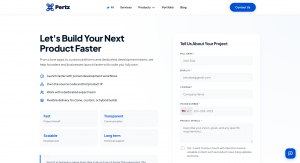
All you have to do is share your requirements. After that, they’ll discuss the strategy and start developing your app. Voila! You’ll have your app up and running in no time. Typically, you’ll pay a one-time fee for the complete source code, and they’ll also help you fix any technical issues you may encounter.
The best part is that it doesn’t matter whether you’re developing an SFW or NSFW app; Xpertz supports both. From data protection to maintaining proper privacy and security standards, they take compliance seriously while building apps, so you don’t have to worry about the technical and regulatory aspects.
2. Have a User-friendly UI/UX
Studies have found that 88% of users are less likely to return to an app or website after a bad user experience. Therefore, a user-friendly UI/UX is essential to your app’s success.
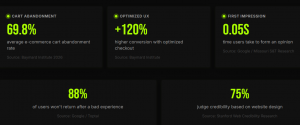
Your app should load quickly, navigation should be smooth and clutter-free, and response times should be fast. There should also be consistency in the design and user interface so users don’t feel like they’re using a completely different app every time they switch screens.
3. User Registration and Login
Allow users to sign up and log in using their existing accounts, such as Google, X, Apple ID, or Microsoft. This makes the onboarding and login process much smoother, which is critical for improving user onboarding and the overall user experience.
You can integrate these social login options by implementing their authentication APIs. This allows users to sign in securely while retrieving the necessary profile information with their consent.
4. Different Dashboards
Depending on the user type, provide separate dashboards for each user role. This allows customers, administrators, vendors, or any other user groups to access only the features and data they’re authorized to use.
Role-based dashboards make the app easier to manage and improve the user experience by showing only what’s relevant to each user. They also eliminate the need to build and maintain separate apps for different user types.
5. Payment Processing
This is the literal engine of monetization, so it’s important to get it right. Choose a payment processor such as Stripe, PayPal, Braintree, or platform-native billing systems like Apple App Store and Google Play in-app purchases based on your monetization model, supported countries, and transaction fees.
Here are a few key things to consider:
- PCI compliance and security to ensure payment information is handled safely.
- Support for multiple currencies if you plan to launch globally.
- Handling refunds, failed payments, and subscription renewals to provide a smooth payment experience.
- Apple and Google generally require developers to use their in-app purchase systems for digital goods and services sold within apps. These purchases are subject to platform commissions, which are typically up to 30%, though lower rates are available through certain programs and for some developers.
6. Integrate Third-Party APIs and Services
It is neither advisable nor feasible to develop everything in-house for your app. Doing so can be time-consuming, expensive, and make your app more complex than necessary. A simpler approach is to integrate existing solutions using third-party APIs and services.
For example, if your app needs maps, age verification, payment processing, analytics, or push notifications, you don’t have to build those features from scratch. Instead, you can integrate reliable third-party services through their APIs and focus your development efforts on the features that make your app unique.
7. Test for Performance, Security, and Bugs
Before launching your app and making it available to users, thoroughly test it for performance, security, and bugs. This is essential to ensure the app functions as expected and provides a smooth user experience.
Use manual testing by releasing a beta version to a small group of users and gathering their feedback. Also, use automated testing tools like Testsigma, along with other testing platforms, to identify bugs, verify functionality, and improve your app’s overall quality before launch.
8. Optimize for Performance and Accessibility
Testing isn’t a one-time process. After launching your app, make sure you continuously monitor its performance and identify areas for improvement. Track metrics such as loading speed, traffic, crash rates, user retention, and other key performance indicators (KPIs) to understand how your app is performing.
At the same time, optimize your app for accessibility. Ensure it’s easy to use for everyone by supporting features like screen readers, sufficient color contrast, scalable text, and keyboard navigation where applicable. Regular optimization helps improve both the user experience and your app’s long-term success.
9. Different Monetization Methods to Include in Your App
Once your app is ready, the next step is choosing the right monetization model. The revenue your app generates will depend on factors such as your industry, target audience, user base, engagement levels, and platform.
In-app purchases are one of the most widely used app monetization models and are expected to account for around 64% of global mobile app revenue in 2026. In-app advertising is the next major revenue source, contributing roughly 31%. Apart from these two, there are several other ways to create an app and make money from it, which we’ll explore in this section.
In-App Purchases
One widely followed monetization model, where users buy virtual goods, additional features, or consumable items within the app. This model is common in gaming, where users purchase extra lives, skins, or in-game currency. Still, it’s also widely used in productivity, photo editing, and lifestyle apps for templates, filters, or premium tools. It works best when purchases enhance the user experience rather than restrict essential functionality.
In-App Advertising
Display banner ads, video ads, interstitial ads, or native ads within your app and earn revenue through ad networks like Google AdMob or Meta Audience Network. This model works best for apps with a large user base and high engagement, such as games, utility apps, and content platforms. Since ad revenue per user is usually low, success depends on scale. However, avoid overloading your app with ads, as it can hurt the user experience and lead to uninstalls.
Freemium Model
Offer the core version of your app for free while locking premium features, content, or higher usage limits behind a paid plan. This is one of the most popular monetization models because users can try the app before spending money. The challenge is finding the right balance, a free version that’s valuable enough to attract users but limited enough to encourage upgrades.
Subscription-Based Monetization
Extension of the freemium model, where you don’t just offer premium features for a price, but the app itself. Users pay recurring fees, weekly, monthly, or annually, for continued access to premium features, content, or services. Subscriptions provide predictable recurring revenue and often generate the highest lifetime value per user, making them one of the most popular monetization models for fitness, productivity, education, AI, and streaming apps. The key to success is consistently delivering enough value to justify renewals.
Paid App Downloads
With this model, users pay upfront before downloading your app. While paid downloads are less common today than freemium or subscription models, they can still work well for niche or professional apps where users already expect to pay for high-quality software.
Affiliate Marketing
Promote third-party products or services within your app and earn a commission for every successful purchase or sign-up. This model works particularly well for content, lifestyle, travel, and niche community apps where recommendations feel natural rather than intrusive. For example, a travel app can recommend hotel booking partners, while a fitness app can recommend workout equipment or supplements.
Sponsorships and Brand Partnerships
As your app grows and attracts an engaged audience, brands may pay to sponsor content, feature their products, or run co-branded campaigns within your app. This revenue model is common in community-driven and content-focused apps. To maintain user trust, make sure sponsored content is clearly disclosed and relevant to your audience.
E-commerce and Merchandise Sales
If your app has an active user community, you can sell physical products or branded merchandise directly through the app. For example, a fitness app can sell workout equipment or apparel, while a creator or media app can sell branded merchandise. This creates an additional revenue stream beyond the app’s core offering.
Licensing Your App or Technology
If you’ve developed a unique technology, such as a recommendation engine, AI model, matching algorithm, or specialized software, you can license it to other businesses. Another option is to offer a white-label version of your app that other companies can rebrand as their own. This can generate high-margin, recurring B2B revenue.
Selling Digital Products and Services
Beyond your app’s core functionality, you can sell digital products and services, such as online courses, templates, e-books, premium downloads, coaching sessions, or consulting services. This works especially well for apps in niches like fitness, finance, education, or business, where users are already interested in achieving a specific outcome and are willing to invest further.
10. Marketing Strategies and Launching Your App
Before you launch your app, or even after it’s live, you need a marketing strategy to attract the right users and turn them into paying customers. After all, no matter how good your app is, it won’t generate revenue if people don’t know it exists.
Start with content marketing by publishing blog posts and helpful content about your app on your website and on relevant third-party websites. This helps improve your online visibility, attract organic traffic, and build awareness for your app.
You should also leverage social media and influencer marketing to reach a wider audience and increase app downloads. The more relevant users you attract, the better your chances of retaining them, creating an app and making money from it.
With your app developed and monetization systems in place, it’s time to launch it. A well-planned launch can help you attract users from day one and build momentum.
- App Store Optimization (ASO): Optimize your app’s title, description, screenshots, keywords, and preview videos to improve its visibility on the Apple App Store and Google Play Store.
- Soft Launch: Release your app to a limited market or a small group of users first. This helps you identify bugs, gather feedback, and fix issues before the full launch.
- Press and Outreach: Reach out to relevant blogs, YouTubers, creators, journalists, and industry newsletters before launch to generate awareness and build anticipation.
- Coordinate Launch Day: Ensure your website, social media channels, email campaigns, PR efforts, and paid advertisements all go live simultaneously to maximize visibility and drive downloads.
Conclusion
Learning how to create an app and make money isn’t about mastering a single skill. It’s about identifying a real problem, planning the business side carefully, building a product that people genuinely want to use, and choosing the right monetization model from the very beginning instead of treating it as an afterthought. Start small, validate your idea before you build, and remember that launching your app is just the beginning.
And when it comes to building your app, you can always rely on Xpertz. With extensive experience in developing a wide variety of apps, they can build a fully customized app tailored to your requirements. From gaming and matchmaking to AI, e-commerce, and beyond, they can develop the app you need while integrating the major monetization models to help you generate revenue from day one.
FAQs about How to Create an App and Make Money
1. What are the different kinds of apps you can build?
Apps can fall under a wide variety of categories. From gaming and matchmaking to e-commerce, education, entertainment, finance, fitness, healthcare, and productivity, there are plenty of options. Pick a category that matches your expertise, interests, and the problem you want to solve.
2. Can you make money through the apps?
Yes. If your app offers real value, delivers a great user experience, and uses the right monetization model, it can generate revenue. Whether through in-app purchases, subscriptions, advertising, affiliate marketing, or other monetization methods, there are several ways to create an app and make money from it.
3. How to Market your apps?
Content marketing, social media marketing, influencer marketing, app store optimization (ASO), email marketing, and paid advertising are some of the most effective ways to market your app. The key is to consistently attract the right audience rather than simply focusing on increasing downloads.