

One might wonder, especially in this age of AI, where tools like ChatGPT, Claude, and Gemini are widely used, whether developers still matter. The short answer is: yes, they absolutely do.
App developers remain among the most in-demand and valuable professionals today, as businesses continue to seek people with strong technical skills and real-world experience. No matter what kind of project or app you’re building, AI can only take you so far. At some point, you need a skilled developer to refine the product, solve complex problems, and bring the application live.
In short, the importance of a seriously skilled app developer simply can’t be ignored.
But this leads to the big question: how much does it cost to hire an app developer? That’s exactly what we’ll break down in this blog.
Factors Affecting the Cost of Hiring App Developers
It is not just developers who add to the cost of the development process; other factors, direct or indirect, also contribute to development costs, which we will discuss here.
Complexity of the App
The nature of the app plays a pivotal role in determining the overall development cost. Simply put, the more complex the app, the higher the cost of hiring a developer.
Factors such as the user flow, the number of screens, integrated payment gateways, live streaming features, and other advanced functionalities all contribute to an app’s complexity. Each additional feature requires more development time, testing, and expertise, which ultimately increases the developer’s cost.
Platform (iOS, Android, cross-platform)
In many cases, iOS app development can be slightly more cost-effective than Android, mainly because Apple devices have fewer screen sizes and hardware variations. Android apps, on the other hand, often require extra time and testing due to device fragmentation, which can push costs higher.
As for cross-platform app development, it’s not necessarily the most expensive option. In fact, frameworks like Flutter or React Native can reduce costs when you want a single codebase for both iOS and Android. However, cross-platform development may still be costly if the app is complex, requires extensive customisation, or requires native-level performance.
UI/UX design requirements
Although UI/UX design contributes to an app’s overall complexity, it’s important to discuss it as a separate factor when estimating development costs. The reason is simple: even a technically simple app can require a sophisticated or visually rich UI/UX.
Basic UI/UX design itself is not easy and already demands time, skill, and budget. When businesses ask for a more polished, interactive, or “fancy” design, such as custom animations, micro-interactions, or unique layouts, the effort increases significantly. This additional design and implementation work directly increases the overall development cost.
Backend infrastructure and APIs
Backend infrastructure plays a major role in app development costs because it defines how data is stored, processed, and delivered. Apps that require scalable servers, cloud hosting (AWS, Azure, Hostinger), real-time data syncing, or custom APIs demand more backend expertise and development time. The more complex the backend architecture, such as microservices, load balancing, or high-traffic handling, the higher the cost of hiring an experienced app developer.
Integration with third-party services
Integrating third-party services, such as payment gateways, analytics tools, CRMs, social logins, push notifications, or cloud storage, adds to an app’s development complexity. Each integration requires proper API configuration, thorough testing, and ongoing maintenance.
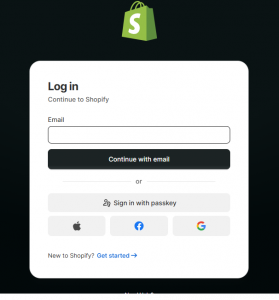
In addition, some third-party tools come with strict documentation, security standards, or compliance requirements, which can slow down the development process. As a result, apps that rely on multiple external integrations typically cost more to build and require developers with proven experience in handling such integrations.
Security and compliance requirements
Security and compliance significantly impact app development costs, especially for apps handling sensitive user data or payments. Implementing features such as data encryption, secure authentication, role-based access controls, and protection against cyber threats requires additional development effort. Compliance with regulations such as GDPR, PCI-DSS, CCPA or HIPAA may also require audits, documentation, and specialized security practices, raising both development time and the overall cost of hiring an app developer.
Support and maintenance
Once the app is developed, ongoing support and maintenance are essential to ensure it runs smoothly and remains up to date. While there’s no hard-and-fast rule for pricing support and maintenance, the industry standard is generally to charge 10–20% of the initial development cost per year.
For example, if the development cost of the app was $50,000, you can expect the support and maintenance fees to range from $5,000 to $10,000 per year.
Regions
As surprising as it may sound, the country you hire developers from also plays a major role in cost evaluation. Developer rates vary significantly based on regional labor costs, market demand, and availability of skilled talent.
Developers from the Americas, Australia, and Europe generally charge higher rates, while developers from Asia and Africa tend to be more affordable, often 30–50% lower than their counterparts in the Americas.
On average:
- Developers in the Americas typically charge between $40 and $110 per hour
- European developers usually fall in the $35 to $75 per hour range
- Asian developers often charge between $20 and $55 per hour
- African developers generally range from $15 to $35 per hour
If you’re confident in a developer’s skills and ability to meet your requirements, hiring developers from Asia or Africa can be a highly cost-effective option without compromising on quality.
Important: Please note that pricing may vary depending on the developer’s experience level and the role they are hired for, whether frontend, backend, or full-stack development.
Experience and Number of Projects Completed
As developers gain more years of experience, their rates naturally increase. Experienced, senior developers often charge higher fees because they bring deeper technical expertise, stronger problem-solving skills, and the ability to handle complex projects efficiently.
In many markets, seasoned developers can charge up to $100 per hour or more, especially if they specialize in high-demand technologies or have worked on large-scale applications. Junior or beginner developers, on the other hand, typically charge lower hourly rates, ranging from $10 to $25.
That said, pricing also depends on factors such as the developer’s location, skill set, and the type of projects they’ve previously handled. Experience level is important, but it should always be evaluated alongside proven work and technical competence.
User Acceptance Testing (UAT) and QA
Another important aspect of app development is User Acceptance Testing (UAT). In most cases, UAT is included as part of the overall development process, which means you usually don’t have to pay anything extra for it.
However, if UAT is conducted by an external third party to independently verify the app’s functionality, performance, and credibility, you may need to budget additional costs.
Typically, external UAT costs range from $500 to $2,500, depending on the app’s complexity, testing scope, and other related factors.
Cost Based on Type of App Developers
The cost of app development also depends on the type of developer you hire, such as freelancers, frontend developers, backend developers, or full-stack teams. Clearly defining your project goals, technical requirements, and skill gaps before hiring can help you choose the right option and avoid unnecessary expenses.
Freelancers vs Agencies
When hiring developers for an app development project, you generally have two options: freelancers or app development agencies.
Freelancers can be found on platforms like Upwork, Fiverr, and even community-driven platforms like Reddit. App development agencies, on the other hand, are typically found through directories such as Clutch, Xpertz or through direct referrals.
Freelance developers are generally more affordable and often charge around $30 to $50 per hour, depending on experience and location. Agencies usually work on a fixed, project-based pricing model, with typical app development costs ranging from $10,000 to $50,000 or more, depending on the app’s complexity and scope.
While freelancers may be cost-effective, they can sometimes pose challenges, such as availability issues, communication gaps, and difficulty assessing professionalism and long-term commitment. Agencies, although more expensive, usually offer structured workflows, dedicated teams, better project management, and a higher level of accountability, making them a safer choice for larger or more complex projects.
Ultimately, the right choice depends on your budget, project requirements, timeline, and the confidence you have in the developer or team you’re working with.
Important: The exact cost of app development can only be accurately estimated after you share detailed requirements with the developer or agency. Without complete specifications, any pricing discussed is only a rough estimate.
Backend vs Frontend vs Fullstack
Among frontend, backend, and full-stack developers, backend developers generally command the highest rates, followed by full-stack developers and then frontend developers. This is largely due to the complexity of backend work, which involves server-side logic, databases, security, performance optimization, and system architecture.
Experienced backend developers typically charge between $60 and $110 per hour. Full-stack developers, despite working across both frontend and backend, often charge slightly less, with rates usually ranging from $40 to $80 per hour.
Frontend developers, whose responsibilities focus primarily on user interfaces and client-side interactions, tend to charge lower rates, generally in the $30 to $55 per hour range.
How much does it cost to hire an app developer?
Developers are available under different monetization models for app development, and you can hire the one that best suits you.
Hourly vs Fixed Price
Paying developers on an hourly basis often works better for simpler app projects that can be completed in a short timeframe. The hourly model is especially suitable when development is expected to take a few weeks rather than several months, as it offers flexibility and easier cost control.
Typically, hourly app development rates range between $50 and $125 per hour, depending on the developer’s experience, location, and role.
The fixed-price model, on the other hand, is better suited for more complex projects that require extensive development hours. These projects are usually handled by app development agencies rather than individual freelancers, as they involve larger scopes, longer timelines, dedicated teams, and formal project management.
Depending on the app’s complexity and feature set, fixed-price app development projects generally cost anywhere between $10,000 and $150,000.
Milestone Based
Whether you hire an agency or a freelancer, milestone-based app development can work for both. In this model, developers are paid after completing predefined project stages, rather than on an hourly basis or upon completion of the entire project.
For example, you can divide the app development process into stages such as design, development, testing, and launch. The developer receives payment upon successfully completing each milestone.
This approach is essentially a variant of the fixed-price model, in which the total project cost is split across stages. For instance, if the overall development cost is $10,000 and the project is divided into 4 milestones, the developer would be paid $2,500 upon completion of each milestone.
While real-world app development projects often involve more than four milestones, this simplified example helps explain how the milestone-based payment structure works.
Retainer models
A retainer involves paying a developer or development team a fixed monthly fee for ongoing work and support. Costs typically range from $1,500 to $8,000 per month, depending on the number of hours and level of expertise. This model is ideal for startups and businesses needing continuous updates, bug fixes, and feature enhancements.
Value-based pricing
Value-based pricing focuses on the business impact of the app rather than development hours. Costs are higher upfront but tied to outcomes like revenue generation, user growth, or scalability. This model is often used for high-impact apps, SaaS products, or enterprise solutions where ROI matters more than development time.
Comparison Table With Different Types of Developers
Category | Type | Typical Cost Range | Notes |
Experience Level | Beginner / Junior Developer | $10 – $25 per hour | Suitable for simple tasks, MVPs, or learning projects |
Experienced / Senior Developer | $60 – $100+ per hour | Best for complex apps and scalable systems | |
Role Type | Frontend Developer | $30 – $55 per hour | Focuses on UI, UX, and client-side functionality |
Backend Developer | $60 – $110 per hour | Handles databases, APIs, security, and system logic | |
Full-Stack Developer | $40 – $80 per hour | Works on both frontend and backend | |
Geographic Location | Americas | $40 – $110 per hour | Higher rates due to labor and operational costs |
Europe | $35 – $75 per hour | Balanced cost and strong technical expertise | |
Asia | $20 – $55 per hour | Cost-effective with a large talent pool | |
Africa | $15 – $35 per hour | Highly affordable and growing developer ecosystem | |
Hiring Model | Freelancers | $30 – $50 per hour (avg.) | Flexible and budget-friendly, but varies by reliability |
Agencies (Fixed Price) | $10,000 – $150,000 per project | Includes project management and full teams | |
Pricing Model | Hourly Billing | $50 – $125 per hour | Ideal for short-term or simple projects |
Fixed-Price Projects | $10,000 – $150,000 | Best for complex, long-term app development | |
Milestone-Based Payments | Split across project stages | Reduces risk and improves payment transparency | |
Ongoing Costs | Support & Maintenance | 10–20% of dev cost/year | Example: $5,000–$10,000 per year on a $50,000 app |
Testing Costs | External UAT | $500 – $2,500 | Depends on complexity and testing scope |
How to Reduce App Development Cost?
Reducing app development costs doesn’t mean cutting corners. It’s about making smarter technical and strategic decisions early in the process.
MVP strategy and phased delivery
Building a Minimum Viable Product (MVP) helps you focus only on the core features needed to validate your idea. Instead of investing heavily up front, you launch fast, collect user feedback, and improve the app in phases. This approach minimizes rework, avoids unnecessary features, and spreads development costs over time, making it one of the most effective cost-saving strategies.
Reusing components and templates
Reusing pre-built components from existing apps, UI templates, open-source libraries like GitHub, and ready-made backend modules can significantly reduce development time. Features such as authentication, dashboards, payment flows, and notifications don’t always need to be built from scratch.
By leveraging proven frameworks and reusable code, you can reduce development hours, minimize bugs, and ultimately cut overall app development costs.
Offshore vs nearshore cost strategies
Hiring developers offshore can reduce costs compared to local talent, especially in regions with lower hourly rates. Offshore teams are ideal for well-defined tasks and long-term projects, while nearshore teams offer better time-zone alignment and faster communication. Choosing the right balance between cost savings and collaboration efficiency can dramatically impact your total app development budget.
Conclusion
App development remains a serious and highly valued profession, even with the rise of AI and modern LLMs. Skilled developers who know how to leverage AI effectively are still in high demand and are paid well for their expertise.
This blog explored how much it costs to hire an app developer, covering key factors such as experience level, geographic location, pricing models, and technical skill sets. If you’re planning to hire a developer for your app project, this guide should serve as a strong starting point to help you estimate costs and make informed decisions.
