
TL;DR
When OnlyFans first launched, the platform had around 348,000 creators. Today, it boasts over 4.6 million creators, representing a roughly 1,220% increase in the number of users monetizing their content. This rapid growth highlights the platform’s popularity and strong demand for creator-focused subscription services. However, as the creator base continues to expand, it has become increasingly competitive, making it more challenging for both new and existing creators to stand out and earn consistently.
For many, this competitive environment is one reason why creators explore building their own OnlyFans-style platforms. By owning their infrastructure, creators gain complete control over their content, branding, and revenue, without relying on a third-party marketplace.
Fortunately, building an OnlyFans clone today isn’t as daunting as it once was. A wide range of technology stacks and development tools are available, making it easier to launch a platform tailored to your goals. In this article, we’ll walk through some of the best tech stacks you can use to build an OnlyFans clone and help you choose the one that works best for your needs.
What is Your Need for an OnlyFans Clone?
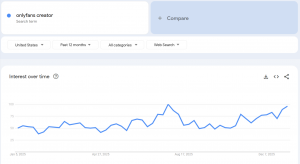
The most obvious answer to why someone would build an OnlyFans clone is to make money. But the more important question is how you plan to make that money. Before you start building an OnlyFans-style platform, you need to be clear about what you’re offering and why you’re doing it. The demand for creator platforms has steadily increased over the years, a trend reflected in tools like Google Trends, but without a clear purpose, surviving in a competitive creator economy becomes difficult.
That’s why defining your requirements upfront is essential before choosing the right tech stack for your OnlyFans clone.
- Start by identifying who you are and who your audience is:
- Are you a celebrity looking to engage directly with fans?
- A content creator producing skits, dance videos, cooking content, or music?
- An educator or expert planning to host tutorials or exclusive learning content?
- Or an adult content creator who wants complete control over content, payments, and platform rules instead of relying on third-party marketplaces?
Once you’ve defined your creator profile and content niche, the next step is deciding how you’ll deliver that content. Will your platform focus on photos, videos, live streaming, or a combination of all three? These choices directly influence everything from infrastructure requirements to streaming capabilities and storage needs.
Clearly answering these questions early on is critical when building an OnlyFans clone. Having a well-defined vision makes it much easier to select the right technology stack, scale efficiently, and compete effectively in the long run.
Functionalities You Want in Your OnlyFans Clone
Now that you’ve defined the core identity of your OnlyFans clone, the next step is to clearly outline the features and functionalities your platform will offer. These elements don’t just help you monetize effectively; they also play a major role in differentiating your platform and establishing it as a recognizable brand in a crowded market.
User-Friendly UI/UX
One of the most important factors when building an OnlyFans clone is creating a clean, intuitive, and user-friendly UI/UX. A poorly designed or cluttered interface can quickly push users toward competing platforms, resulting in lost engagement and revenue. Your design should also be fully responsive across devices, especially mobile. Around 60% of users today access content primarily through smartphones, and if your platform isn’t mobile-friendly, you risk losing a substantial segment of your audience.
Multiple Monetization Methods
If your goal is to maximize earnings, offering multiple monetization options is essential. Common revenue streams for an OnlyFans clone include subscriptions, pay-per-view content, live streaming, tipping or token systems, integrated e-commerce stores, wallets, and creator payouts. The more flexible your monetization structure, the easier it becomes to cater to different creator types and audience preferences.
Audience Engagement Features
Building a loyal fanbase requires meaningful interaction. Include features that allow users to comment, react, tip, and engage with content, while giving creators the ability to respond directly. This two-way interaction helps strengthen creator-fan relationships and encourages long-term retention.
Sample Audience Engagement Section of a Website
Role-Based Dashboards
Your platform should support separate dashboards for admins, creators, and users, each tailored to their specific needs. Admins should be able to manage platform operations and compliance, creators should have tools to upload content and track earnings, and users should easily manage subscriptions and interactions. Clear role separation improves usability and overall platform efficiency.
High-Performance Media Player
A reliable, smooth media player is critical to any content-driven platform. Videos should load quickly, play without lag, and adapt to different internet speeds and devices. Poor playback quality can significantly harm user experience and reduce engagement.
Beyond these essentials, you should continue adding features that enhance usability, performance, and engagement based on your platform’s goals. Thoughtful functional choices can make a significant difference in how your OnlyFans clone is perceived and how well it performs over the long term.
Tech Stack for Building an OnlyFans Clone
Selecting the right tech stack is one of the most decisive factors when building an OnlyFans clone. The technologies you choose will directly influence platform performance, scalability, creator satisfaction, data security, and monetization potential. Since creator subscription platforms rely heavily on high-quality media delivery, secure payments, and real-time interactions, even a small technical weakness can result in lost revenue, poor retention, or compliance issues.
Frontend
The frontend plays a critical role in shaping the overall user experience for both creators and subscribers. A fast, intuitive, and visually clean interface encourages users to spend more time on the platform and increases the likelihood of subscriptions, tips, and pay-per-view purchases.
Modern frontend technologies such as React.js, Next.js, and Vue.js are widely used for building creator platforms because they support dynamic content loading, smooth navigation, and responsive design. UI frameworks such as Tailwind CSS and Material UI help create clean, scalable interfaces without bloated CSS, enabling faster load times and consistent design across devices.
Key frontend features often include:
- Infinite scrolling content feeds for continuous engagement
- One-click subscription and payment actions to reduce purchase friction
- Mobile-optimized creator dashboards for managing content and earnings on the go
When built correctly, the frontend directly impacts performance metrics, lowering bounce rates, improving creator onboarding, and increasing paid conversions, making it a critical component of monetization and long-term platform success.
Backend
Behind the scenes, the backend serves as the operational core of an OnlyFans clone. It handles critical functions, including subscription management, content access control, creator payouts, messaging systems, and platform analytics. Popular backend frameworks such as Node.js, Laravel, Django, and Ruby on Rails are widely used for their scalability, security, and ability to handle high traffic volumes.
Key backend responsibilities typically include:
- Subscription logic and renewals
- Pay-per-view content access and unlocks
- Commission calculations and creator payouts
A well-built backend ensures accurate payment processing, uninterrupted creator earnings, and consistent platform uptime. These factors directly influence user trust, creator satisfaction, and the platform’s long-term credibility.
Database
Equally important is the database layer, which stores large volumes of user data, transaction records, content metadata, and messaging history. Creator platforms typically use PostgreSQL or MySQL to store structured data, including payments, subscriptions, and earnings. At the same time, MongoDB is often used to store more flexible, unstructured data such as chat messages and activity logs. In addition, Redis caching is commonly used to accelerate content feeds, manage sessions, and reduce database load.
Key database functions include:
- Storing creator earnings and payout history
- Tracking subscriber behavior and activity
- Enabling fast-loading feeds through caching mechanisms
An efficient, well-optimized database architecture helps reduce server costs, improve load times, and enhance overall platform stability, all of which are critical to reliably scaling an OnlyFans clone.
Mediastorage
Media storage is another cornerstone of an OnlyFans clone, as the platform revolves around photo and video content. Using reliable cloud storage solutions such as AWS S3, Google Cloud Storage, or cost-effective alternatives like Wasabi or Bunny.net, combined with a powerful CDN, ensures fast streaming, global accessibility, and reduced buffering.
Key media storage functions include:
- Secure and fast video streaming
- Geo-optimized content delivery
- Expiring URLs for premium content
Secure media delivery, including expiring URLs and protected streams, is essential to preventing piracy and safeguarding premium content, which directly affects creators’ confidence and platforms’ reputations.
Payment Systems
Payment systems are the core of monetization and require special attention, especially for adult platforms. If your platform hosts SFW (safe-for-work) content, you’ll generally have access to mainstream payment providers such as Stripe and PayPal, along with card networks like Visa and Mastercard (through supported processors). These providers are typically more willing to onboard non-adult businesses.
CCBill, a Payment Gateway Used by Many High Risk Category Businesses
However, if your OnlyFans clone focuses on adult or explicit content, many mainstream payment processors may decline or restrict service due to their internal policies. In such cases, platforms often rely on adult-friendly payment processors such as CCBill, Verotel, SegPay, or Paxum, or on alternative payment methods like cryptocurrency, which are more accustomed to handling adult entertainment transactions.
Key payment system functions usually include:
- Monthly subscription billing
- Pay-per-view messages or content unlocks
- Creator tipping and bundled content sales
A well-designed payment stack supports recurring subscriptions, tips, and one-time purchases while helping reduce chargebacks, payment failures, and account shutdown risks.
Security and Safety Systems
Security and safety systems are non-negotiable for an OnlyFans clone, given the sensitive nature of user data and private content. Implementing SSL encryption, secure authentication methods like JWT and OAuth, two-factor authentication, and DMCA protection tools helps safeguard both creators and subscribers. Strong security measures not only prevent data breaches and content leaks but also build long-term trust, which is essential for attracting high-earning creators to the platform.
Real Time Features
Finally, real-time features significantly enhance engagement and revenue generation. Technologies such as WebSockets, Socket.io, Firebase, or Pusher enable instant messaging, live notifications, and real-time interactions. These features encourage direct fan-creator communication, which often leads to higher tipping, repeat purchases, and stronger subscriber loyalty. In a creator-driven economy, real-time engagement is a powerful differentiator that directly boosts platform profitability.
Important: No matter which technologies you choose to build your OnlyFans clone, it’s essential to maintain regular backups of your most recent stable, fully functional version. Updates to frameworks, libraries, or dependencies can sometimes impact performance, break features, or alter the appearance of your platform. In such situations, having a reliable backup allows you to roll back quickly to a known working version, minimizing downtime and preventing disruptions.
A solid backup and versioning strategy protects your platform from unexpected technical issues and ensures you don’t lose progress, or your entire OnlyFans clone, to a faulty update or system glitch.
What is the Cost of Tech Stacks to build an OnlyFans Clone?
When you look purely at the tech stack required to build an OnlyFans clone, many core technologies are actually free to use. Frameworks such as React.js, Node.js, Next.js, and Vue.js are open-source and do not require any licensing fees. You can use them to build your platform without paying anything upfront.
However, the real costs begin once you move beyond the core framework and start integrating essential infrastructure services. Components such as media storage, CDNs, payment systems, security layers, and real-time features are not free and typically use subscription or usage-based pricing models.
Estimated Infrastructure & Service Costs
On average, you can expect the following expenses:
Media storage & CDN (recurring):
- ~$150–$300 per month → $1,800–$3,600 per year
Payment system integration (adult-friendly gateways):
- $2,000–$10,000 (one-time or initial setup cost, excluding transaction fees)
Security & safety systems (KYC, fraud detection, data protection):
- $5,000–$20,000 (setup + tooling)
Real-time features (chat, notifications, live updates):
- $6,000–$30,000 per year
Development & Maintenance Costs
The largest cost factor in building an OnlyFans clone is developer effort.
Full platform development:
- $25,000–$100,000, depending on features, scalability, and UI/UX complexity
Ongoing maintenance & updates:
- ~$300–$5,000 per month → $3,600–$60,000 per year
Total Estimated Cost Breakdown
Initial build + setup (one-time):
Low-end estimate:
- $25,000 (development)
- $2,000 (payments)
- $5,000 (security)
= ~$32,000
High-end estimate:
- $100,000 (development)
- $10,000 (payments)
- $20,000 (security)
= ~$130,000
Recurring yearly costs:
Low-end:
- $1,800 (CDN) + $6,000 (real-time) + $3,600 (maintenance) = ~$11,400 per year
High-end:
- $3,600 (CDN) + $30,000 (real-time) + $60,000 (maintenance) = ~$93,600 per year
Final Cost Summary
Minimum realistic starting cost:
- ~$40,000–$45,000 (lean setup, limited features)
High-end, fully featured platform:
- $150,000+ upfront, with $50,000–$90,000 annually in operating costs
This makes building an OnlyFans clone expensive for beginners, especially creators relying on personal savings. However, for creators, agencies, or businesses with sufficient capital, investing $40,000–$150,000 provides full ownership, control over monetization, and freedom from third-party platform restrictions.
Note: The costs mentioned above are only estimates and do not, by any means, represent the actual or final cost of building an OnlyFans clone. These figures are calculated based on pricing from some commonly used service providers. Actual costs may vary significantly depending on factors such as the region from which you source services, the vendors you choose, platform complexity, feature requirements, and ongoing operational needs. In some cases, costs may be lower or higher than the estimated range.
Other Methods of Building an OnlyFans Clone
While using a custom tech stack to build an OnlyFans clone offers flexibility, it also comes with a major drawback: the need for specialized developers and the associated costs. This approach may work well for large companies or individuals with strong financial backing. However, for beginners or creators with limited resources, it often isn’t the most practical choice.
For such users, there’s a more feasible alternative: ready-made OnlyFans clone builders. These are pre-built software solutions that can be deployed quickly, allowing you to launch an OnlyFans-like platform in a short time. Since these solutions are specifically designed to replicate the core functionality of OnlyFans, you don’t have to worry too much about performance or essential features. Today, there are several such scripts available in the market, and you can choose one that best fits your requirements and budget.
xFans by Adent.io is one such customizable solution that many businesses use to build and deploy OnlyFans-style platforms with ease. This software to build Onlyfans like websites comes with features, monetization methods, and a framework similar to OnlyFans, making it easier for creators and entrepreneurs to get started.
With a one-time licensing fee, users typically gain access to the source code, allowing for customization and greater control over their platform, making it an attractive option for those who want ownership without the complexity of building everything from scratch.
Conclusion
Building an OnlyFans clone is a common aspiration for many entrepreneurs and creators due to the strong revenue potential it offers. However, choosing the right tech stack to build one can be a bit challenging. In this article, we’ve highlighted some of the most important technologies required to build an OnlyFans clone, along with the costs associated with each.
From frontend development and backend infrastructure to databases, payment systems, and data security, we’ve covered all the key elements that define a successful OnlyFans-like platform. Additionally, if building from scratch using a full tech stack feels too expensive or complex, you can also consider using customizable clone scripts as a practical alternative to launch your OnlyFans clone more efficiently.
